
Quick Read
- Most people with ADHD experience Rejection Sensitive Dysphoria (RSD), an intense emotional pain when perceiving or experiencing rejection, failure, or criticism.
- RSD is related to selling yourself short and a lack of assertiveness.
- RSD can cause stagnation and burnout.
***
Feeling stuck in your career or job? You may have been craving success for a long time. Work that matches your talents and sparks joy and creativity.
Despite your need for change, every move feels like the wrong move. And all you can do is grieve the loss of a “potential” that somehow got away. That was until now.
These days, something has shifted. You’re not just ready for a change; you’re making moves.
As you search terms like “ADHD and Career,” you don’t think to consider Rejection Sensitive Dysphoria (RSD) as the reason for feeling stuck. But you should. RSD is a trait of ADHD that is gaining more awareness, since 99% of people with ADHD experience RSD.
This article explores how fear of rejection, failure, and criticism might keep you far below your pay grade and your happiest life.
What is Rejection Sensitive Dysphoria?
Rejection Sensitive Dysphoria (RSD) is an emotional condition unique to ADHD. Many people share rejection sensitivity, yet RSD is specifically associated with ADHD. RSD is an intense emotional experience in response to perceived criticism, disappointing others, or failing to meet your own goals.
Even though adults with ADHD often experience RSD, medical professionals have not incorporated it into the ADHD diagnostic criteria. Dr. William Dodson explains that although research into ADHD has validated the reality of RSD, researchers have omitted it because they find it hard to observe.
Individuals with ADHD frequently conceal or “mask” the feelings they have due to RSD. While anger, defensiveness, or withdrawal are common responses to criticism, the emotions driving those reactions often remain hidden. Because RSD can create intense shame and avoidance, acknowledging the impact it has on your life—let alone expressing it to someone else—can be challenging.
How does RSD impact work performance?
Dr. Russel Barkley has stated that ADHD itself is not a condition of ability; it’s a condition of performance. Even the smartest and most capable people with ADHD can feel invisible in their careers and jobs.
People-Pleasing
ADHD and people-pleasing are like peanut butter and jelly. In response to intense emotions around criticism, RSD causes many adults with ADHD to eat last, so to speak. Ever since you were a little kid, you might have learned to read the room. You take your cues for how to act from what others want from you.
As the years roll on, you look around, and you notice something: you’re living someone else’s life. In fact, you’re working in someone else’s job. You never stopped to look inward and uncover your truest gifts and abilities for the world to see; you live and work for others.
People-pleasing isn’t about being nice; it’s about keeping yourself small.
Why? Because one way to avoid rejection and failure is to stop it before it starts. If you’re nice to everyone around you, the likelihood of failing in their eyes stays low.
The problem remains: your gifts, talents, and assertiveness remain buried under the mask of people-pleasing. It’s hard to get a promotion or a new career when you devalue yourself.
“What do you want?”
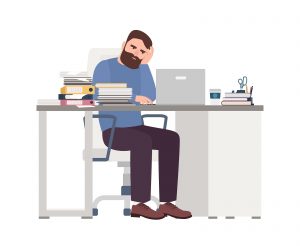
This is a BIG question, and RSD might be keeping you from knowing the answer. Because you fear rejection and people-pleasing, it’s not uncommon to bury what you want deep under the soil.
Answering this question might unlock the next step. For example, do you want more money? More work-life balance? Creativity in your job?
No pressure if you can’t answer right now. Many people with ADHD seek ADHD therapy or RSD treatment to find the answer and the solution for how to get what they want. But just thinking a bit more can help you build momentum.
Passive Communication
Speaking your mind might be difficult with ADHD. In fact, it might make you a little sick. RSD makes the fear of upsetting others so profound that you can’t seem to find your words.
Here’s the problem with being passive: when it’s time to move up the ladder, those on top look for those with ideas. In fact, a recent study out of MIT showed that individuals who had debate training saw a 12% increase in work advancement. It turns out: having a voice matters.
Assertive individuals who have consistency in their values and interpersonal skills. So I’ll ask you: how do you handle conflict? Ask for what you need? Share your ideas? Do you ever ask for help?
Building a better career can hinge on being seen. Even if sometimes “being seen” means a different role, job, or work setting. The point is: growth is unattainable without some visibility.
Finding A New Lane
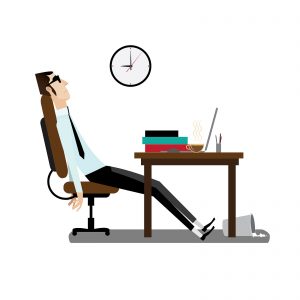
After Michael scanned his key card in on Monday for the 3,456th time, he realized how burnt out and depressed he’d become with his career. As he sat down at his desk, he could feel the bags under his eyes droop. “Ugh, another day.”
It wasn’t always this way. His high-paying IT job had drained him. At the beginning, his mind overflowed with grand visions.
But people often told Michael to “stay in his lane.” He felt undervalued and overlooked for so long that he gave up.
A late-in-life ADHD diagnosis changed his path. After seeking ADHD testing in Columbus, Ohio, Michael realized that his brain worked differently. He uncovered he would be much more successful if he worked somewhere that played to his strengths and valued his ideas and abilities.
Six months later, Michael had learned to manage RSD and found his dream job: a leadership role in a creative company. Once Michael started figuring out where his brain fit best, he began driving in the fast lane.
How to Help Career-Related Rejection Sensitive Dysphoria
Managing RSD can help expedite career success. There are several ways to get started.
- Awareness. The first step towards managing RSD is RSD awareness. To help you become more RSD-aware, here are some RSD signs:
- Avoidance of risk and interpersonal interaction.
- Conflict avoidance.
- Overcommitment because you feel guilty and scared to say no.
- Ruminating over conversations in your head over and over and beating yourself up for what you said.
- Overreacting to the possibility of rejection (ie texting a date who hasn’t responded several times back to back).
- Boundaries. Saying yes faster than a speeding train? There’s a reason: RSD causes overcommitment, which then leads to burnout. It’s impossible to move ahead in your own lane or do your best work. So take a minute. Look at your life. Where can you say no? Is there anywhere you need accommodation? For example, closing your door so you can focus on a project rather than respond to everyone’s needs around you.
- ADHD Unmasking. How closed off are you at work? I ask because many people with ADHD feel vulnerable being themselves. In fact, it’s called ADHD Masking. While some amount of masking our quirks as humans might be appropriate to fit a particular context, ADHDers go overboard. RSD can cause us to remove our authenticity from almost every interaction.
Keep in mind, unmasking doesn’t mean being unprofessional. But it does mean that if no one gets to know us at all, we can run into other problems at work. For example, we may never build genuine connections or allow people to see our strengths as human beings.
Consider that some amount of “just being yourself” might help you connect with others and build your confidence—both at work and in life.
- Deepen your interests. RSD might cause you to bury the things that light your fire. For example, are you a creative person in a non-creative job? Consider what you care most about and whether, over the long term, you might find more success by embracing what you love.
You’re Not Stuck
If you’ve spent years feeling behind or unfulfilled in your career, it’s worth considering that RSD might be impacting your success. ADHD can create real barriers in life, such as impulsivity, time blindness, and working memory issues. However, RSD is often overlooked. Once you find the right tools to manage RSD, success at work can move from dream to reality. At Focused Mind ADHD Counseling, we work with RSD all the time and can guide you through reducing its impact on your life.

Begin Adult ADHD Testing in Columbus, OH
Still wondering if you have ADHD and RSD? You don’t have to live your life feeling behind in your career. Comprehensive ADHD testing can help you find answers. Our Columbus, OH, counseling practice has caring therapists who specialize in ADHD treatment. To start your counseling journey, follow these simple steps:
- Fill out the contact form to schedule a free 15-minute phone.
- Meet with one of our caring therapists.
- Stop feeling lost and invisible, start finding your path.
Other ADHD Services Offered at Focused Mind ADHD Counseling
Adult ADHD testing is not the only service we offer at our Columbus, OH, counseling practice.
At Focused Mind ADHD Counseling, we offer a variety of mental health services, including ADHD treatment, anxiety treatment for ADHD, couples therapy for ADHD, counseling for men with ADHD, counseling for women with ADHD, ADHD-focused couples therapy, teen ADHD testing, and depression counseling for ADHD. You can also view our blog for more resources and helpful info.
About the Author
 Billy Roberts, LISW-S, LCSW, is the founder of Focused Mind ADHD Counseling and a licensed psychotherapist specializing in ADHD. Based in Columbus, Ohio, he provides ADHD testing and therapy to help adults better understand challenges related to time management, focus, emotional regulation, and relationships. He previously held a position at the NYU Child Study Center and has practiced as a psychotherapist for over a decade. His holistic approach to ADHD to assessment and treatment has been featured in Time Magazine, CNN, HuffPost, and Forbes, where he shares insights on helping individuals with ADHD manage their relationships, emotions, careers, time, and more. He is also the author of the upcoming book: Wired to Please: Unmasking the ADHD People-Pleaser.
FAQs
How is RSD officially diagnosed?
RSD is not an official diagnosis. Rather, it’s a symptom of ADHD. A 2008 study explores how RSD is complex and can often be confused with other mental health conditions, including trauma-related conditions. At our practice, we often tease out RSD from other conditions during ADHD testing in Columbus, Ohio.
Are there reliable online screeners for RSD?
Yes, we offer an RSD quiz on our website!
How does Rejection Sensitive Dysphoria affect relationships?
RSD doesn’t just keep you underemployed at work; it can keep you under-satisfied in relationships. One way RSD struggles impact relationships is through people-pleasing. Bending over backward for others while you find yourself lost in the shadows. Learning to manage RSD in relationships means learning to self-advocate, express your needs, and make space for yourself.