
The Quick Read
- Loneliness and lack of friends are common with ADHD. 78% of adults with ADHD link loneliness to their mental health struggles, often feeling unable to be their true selves around others.
- The friendship myth. Many with ADHD believe they need others’ approval to make friends, when real connection actually comes from being authentic and embracing what makes you unique.
- Getting diagnosed is a game-changer. 80% of adults with ADHD don’t know they have it. A proper diagnosis through ADHD testing in Cleveland is the first step toward understanding yourself and breaking out of social isolation.
- Reframing ADHD. Rather than viewing ADHD as purely negative, recognizing how your differences make you interesting and relatable helps build the confidence to connect genuinely.
- Authentic connection works. Once people stop masking and start sharing real interests, they find their people. Small steps (like mentioning a niche hobby) can lead to meaningful friendships.
ADHD and Connections With Friends
78% of adults with ADHD cite loneliness as highly connected to their mental health struggles. This was the case for Daniel, who often felt that even when others surrounded him, he couldn’t be himself. He felt terrified of rejection and negative feedback. So much so that he never spoke his mind or shared his interests. As the years went on, Daniel wondered: Why is it so hard to make friends with adult ADHD? This blog offers answers and solutions to this question.
The Nature of Making Friends With ADHD
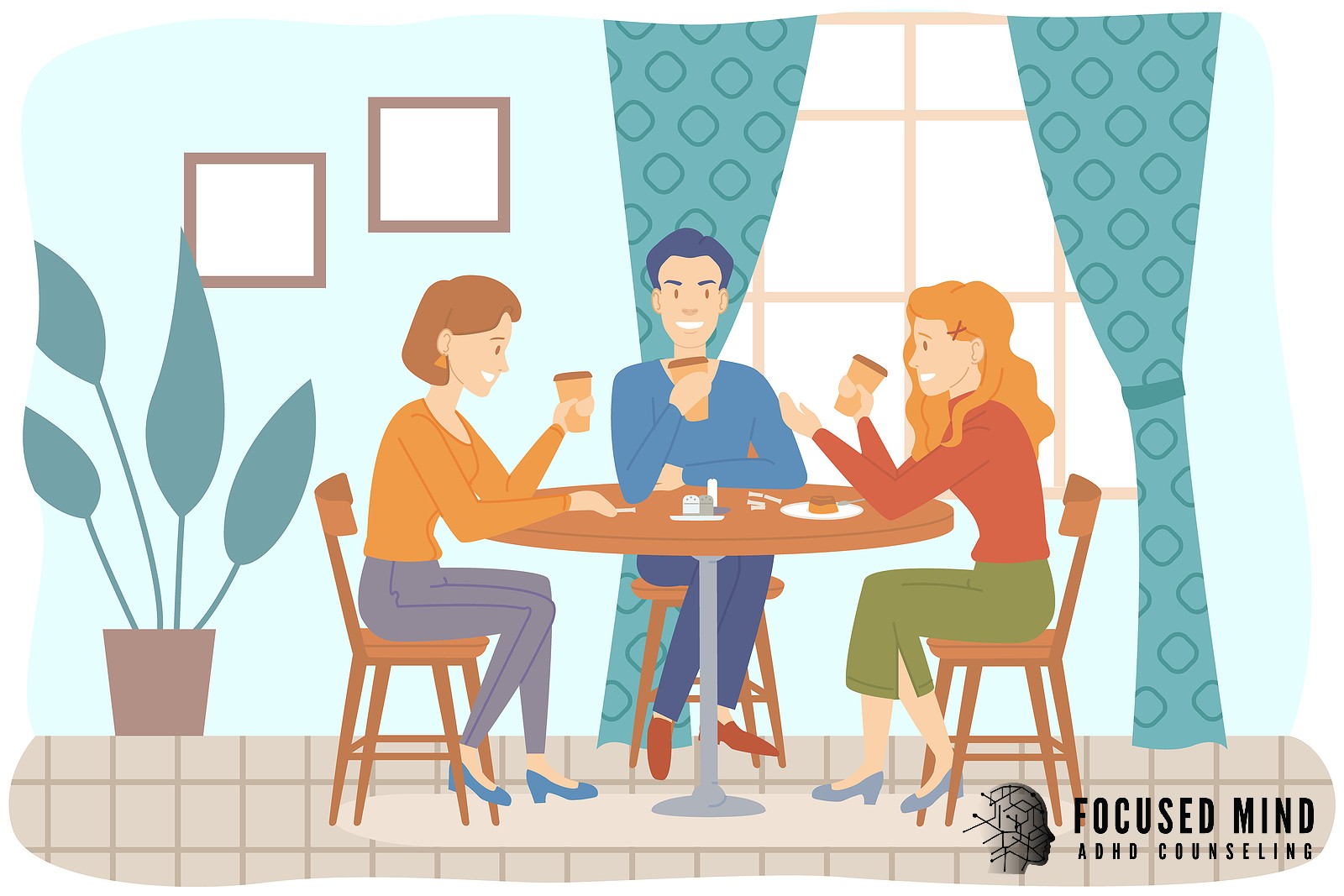
There’s a myth that many people with ADHD carry that isn’t true: you need approval to make friends. Many people with ADHD believe that to become someone’s friend, you need to get on their good side. In a sense, they must think you are cool. However, genuine friendship isn’t about getting someone else to label you as “cool enough” to be their friend. True friendship is about being yourself (gulp).
That’s right, human beings don’t bond over expensive cars or saying the funniest jokes. They bond over the messy parts. The unique parts of ourselves that make us who we are. Sadly, those are the parts that many people with ADHD struggle to embrace.
Reasons Why Making Friends With ADHD is Challenging
Rejection Sensitive Dysphoria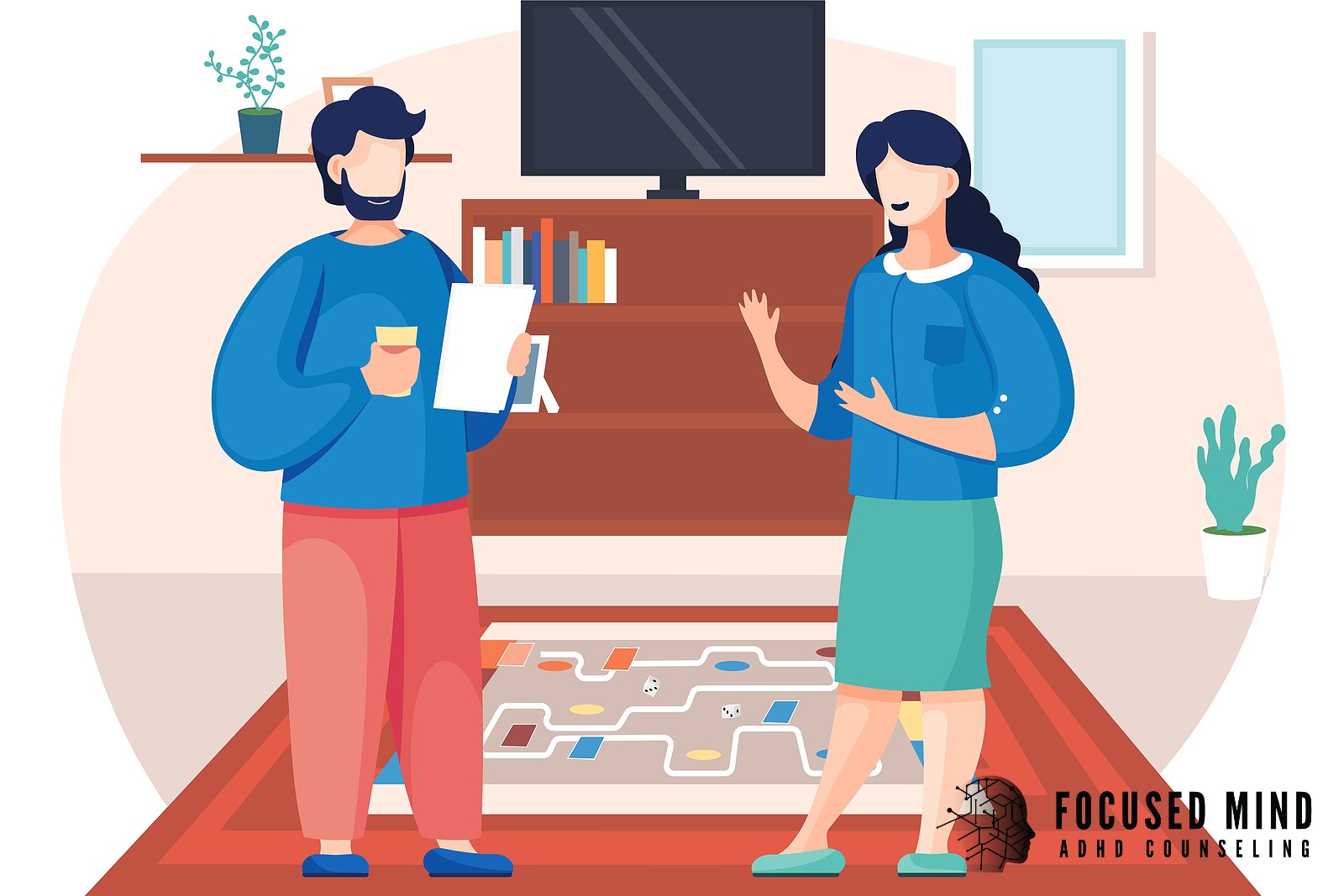
Most adults relate to Rejection Sensitive Dysphoria (RSD), a phenomenon tied to ADHD that makes us highly sensitive to rejection and criticism. RSD isn’t just being anxious in social situations, and it’s much more severe than just being insecure. RSD causes significant pain. As in, emotional pain. RSD can feel like a bolt of panic and fear that stops a person in their tracks.
Because of RSD, many people with ADHD avoid taking risks in relationships. They struggle to speak up in meetings and, even more, struggle to let their interests and opinions be known to others. Because of the inhibiting nature of RSD, many people with ADHD struggle to fully let their guard down.
Low Self-Worth
People with ADHD hear a lot of criticism growing up. They hear, “You’re lazy,” or “You’re too sensitive,” or “Too much.” You lose sight of the positive aspects of ADHD. Let me say that again: you miss out on the positive aspects of ADHD.
As an ADHD specialist in Cleveland, I recognise the many things that make people with ADHD not just incredibly interesting, but also great friends. For example:
- Energy: People with ADHD can be highly energizing and supportive of others
- Loyalty: Entering relationships with a strong bond is a common ADHD trait
- Novelty seeking: Interests in new and exciting adventures we long to share with others
- Humor: When you see the world differently from others, you find the jokes.
The list goes on. However, deep down, the criticisms accumulated over the years get generalized. And you think that anything which makes you different is bad.
Imposter Syndrome
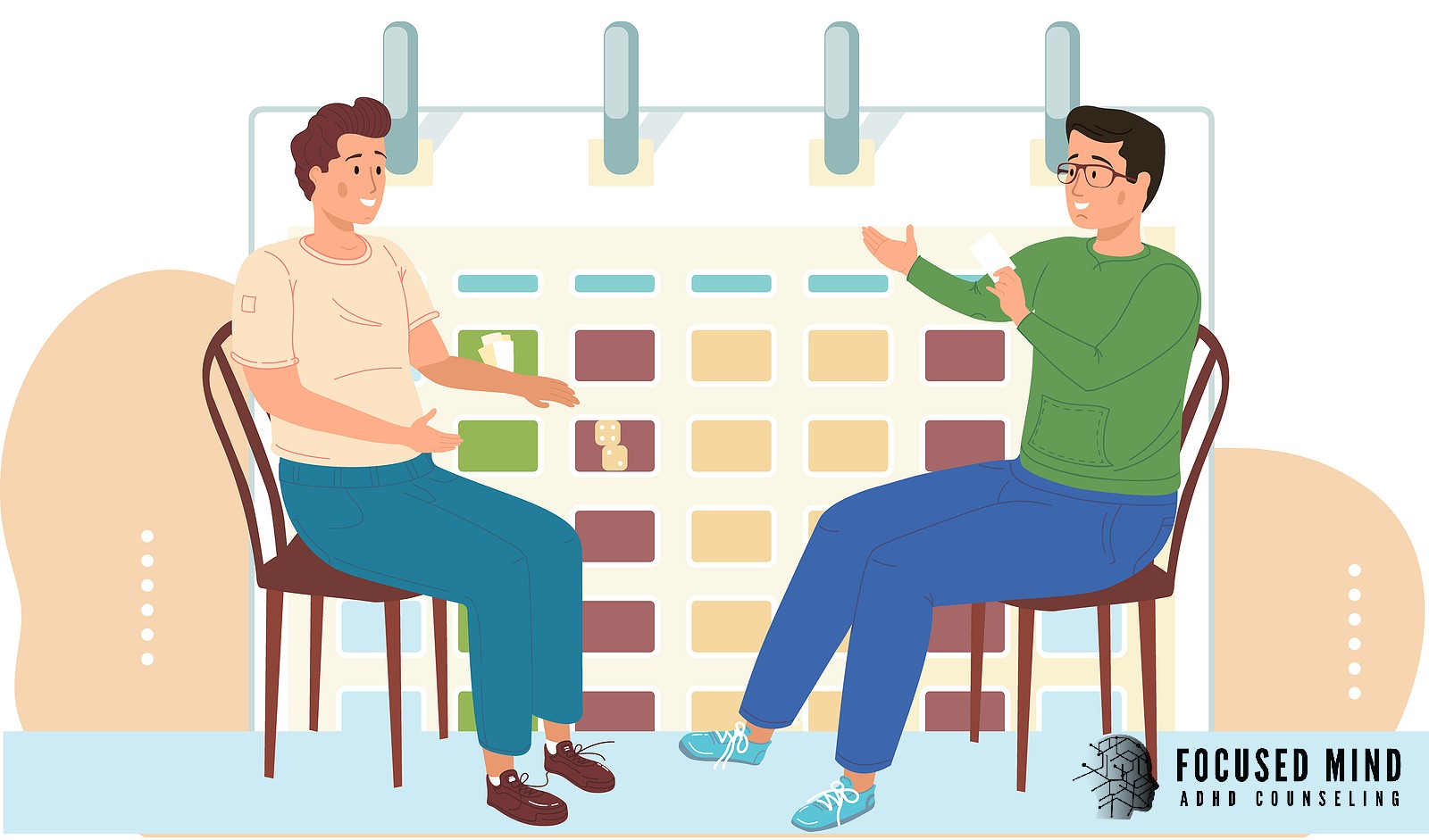 People with ADHD struggle with imposter syndrome. We can’t hear compliments, avoid success, and minimize accomplishments. You could get a promotion at work and still struggle to feel you “earned it.” This makes it hard to share what’s really going on for you with others. Just another way people with ADHD hold back on being themselves.
ADHD Masking
To hide the stuff that makes them insecure, people with ADHD mask who they are deep down. For example, high levels of perfectionism. It’s not uncommon to hold a rigid way of navigating life to protect yourself from anyone seeing your flaws. In fact, some people with ADHD watch how other “neurotypical people” act and try to mirror their behavior.
Over time, life feels like you’re playing a role.
How to Build Connections With Friends When You Have ADHD
An ADHD assessment
When Daniel began therapy, he truly saw no way out of his loneliness. In fact, he was pretty depressed. It was hard to envision a world where he got the support he deserved. Over time, Daniel learned something new about himself: he had adult ADHD. That’s right, 80% of adults with ADHD don’t even know they have ADHD. Often, a lack of awareness of their own ADHD is the reason they feel so stuck.
Getting an accurate diagnosis through ADHD testing is a first step in fully owning who you are and how your brain works.
Re-framing ADHD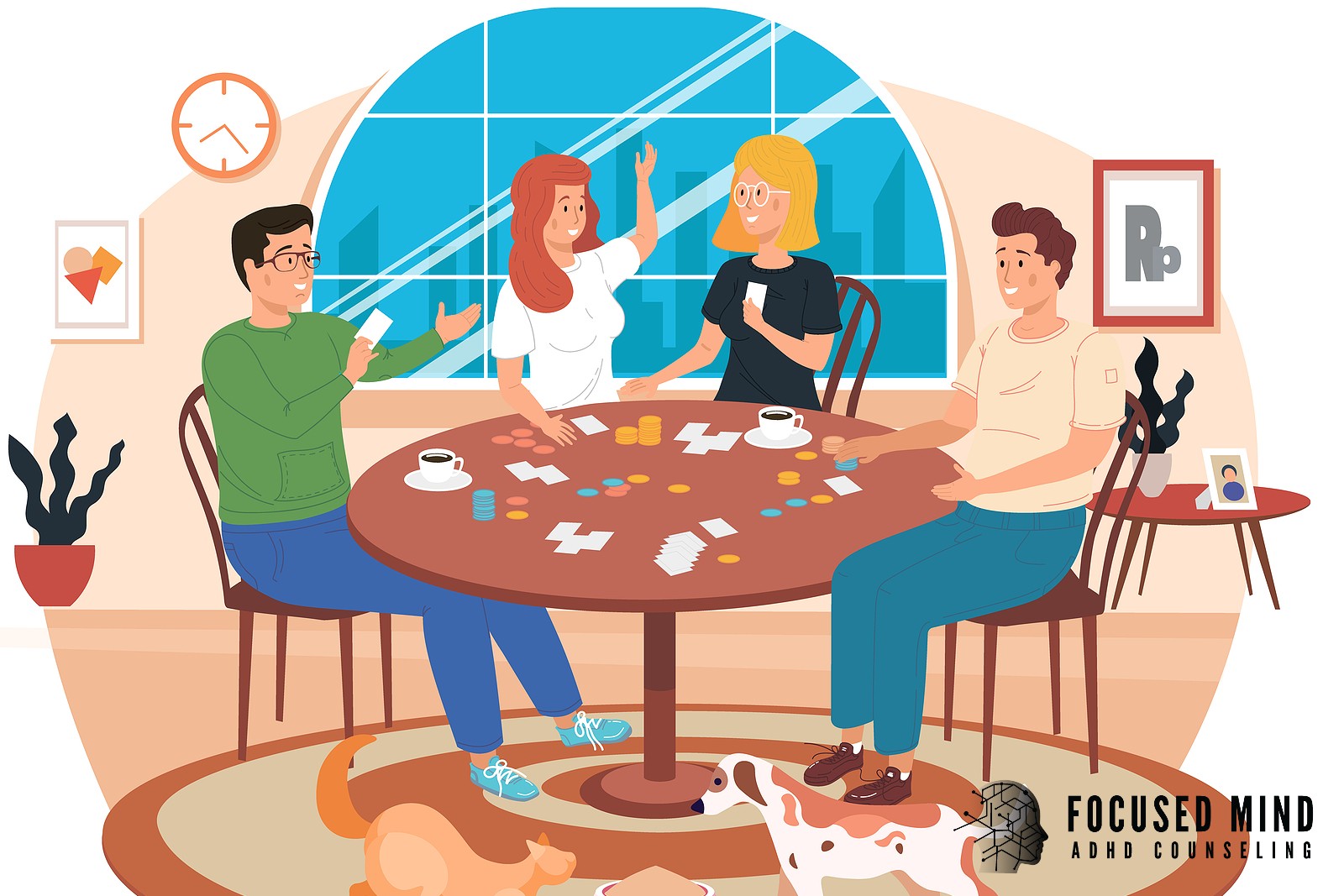
Once diagnosed with ADHD at Focused Mind, it’s important not to see it as a totally negative thing. Sure, ADHD causes problems. You may feel uncomfortable with the term “ADHD superpower.” But the reality of ADHD is that, like anything that makes anyone different, our differences make us unique. And two people who connect on their own uniqueness form a friendship.
Embracing who you are
Over time, Daniel learned to work with himself and not against himself. He built confidence in the belief that what made him unique also made him human. This gave him the confidence to speak up in social settings and to find people with whom he could connect more easily. For example, he finally started talking to co-workers about his love of Dungeons and Dragons. Not everyone was a fan, but three people were over the moon, and Tuesday evenings became D&D night.
Learn Strategies For Making Friends with ADHD Testing & Counseling in Cleveland
Many adults learn that difficulty making friends is connected to ADHD, and a professional evaluation can provide the clarity needed to move forward with effective support.
Our Cleveland ADHD testing and therapy center offers both in-person and virtual assessments led by clinicians who specialize in adult ADHD. Through a structured and supportive evaluation process, we help you explore how ADHD symptoms may be affecting your work, relationships, and daily responsibilities.
Here’s how to get started:
- Fill out our online contact form to request ADHD counseling. A clinical director or intake coordinator will reach out to schedule a complimentary 15-minute phone consultation.
- Meet with an ADHD assessment specialist in Cleveland who will guide you through the testing process and discuss concerns related to time management and focus.
- Receive clear diagnostic feedback and personalized recommendations, helping you move forward with therapy and strategies designed to improve time awareness and daily functioning.
You don’t need to keep struggling with disconnection. The right assessment can bring clarity and help you develop tools that make relationships more fulfilling.
Other Services Focused Mind ADHD Counseling Provides in Cleveland, Ohio
Understanding whether ADHD is contributing to your inability to make friends can be the difference between loneliness and connection. Through ADHD testing and/or therapy, many adults gain clarity about why friendships feel so difficult and learn practical strategies to improve their ability to connect.
At Focused Mind ADHD Counseling, ADHD assessments are just one part of the support we provide. Our practice offers both in-person and online ADHD treatment for adults, including individual and group therapy, that addresses the broader effects of ADHD, such as anxiety, depression, and relationship stress. Our specialists work with clients to turn diagnostic insight into practical tools that support better awareness and emotional balance.
We also provide specialized counseling for ADHD testing, men with ADHD, women with ADHD, and couples who are navigating ADHD-related challenges in their relationship. For ongoing learning and support, our blog features therapist-written articles and helpful resources that explore ADHD topics and offer strategies for managing everyday life more effectively.
 About the Author
Billy Roberts, LISW-S, LCSW, is the founder of Focused Mind ADHD Counseling and a licensed psychotherapist specializing in ADHD. Based in Columbus, Ohio, he provides ADHD testing and therapy to help adults better understand challenges related to time management, focus, emotional regulation, and relationships. He held a position at the NYU Child Study Center and has been a practicing psychotherapist for over a decade. His holistic approach to
ADHD to assessment and treatment has been featured in Time Magazine, CNN, HuffPost, and Forbes, where he shares insights on helping individuals with ADHD manage their relationships, emotions, careers, time, and more.